Articles about
agentic ai
Thoughts and field notes on MarTech, customer engagement, and solution architecture.
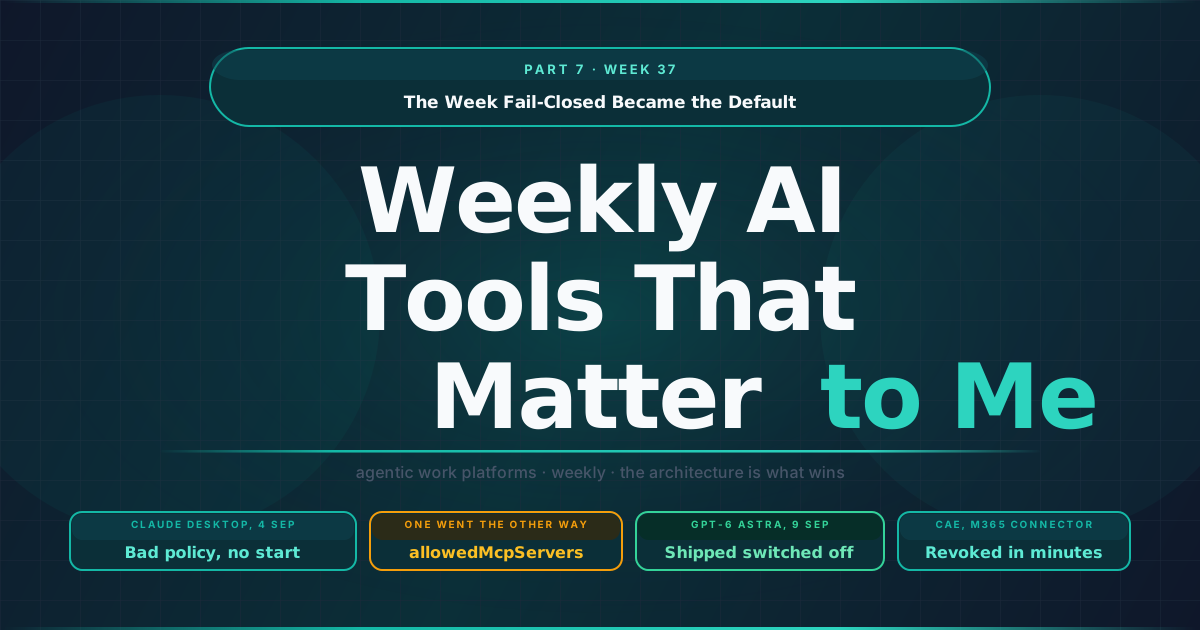
Weekly AI Tools That Matter to Me: Part 7, Week 37
In one release train, three separate misconfigurations stopped being ignored and started stopping the product. Fail-closed arrived in the admin console, and a frontier model shipped switched off.
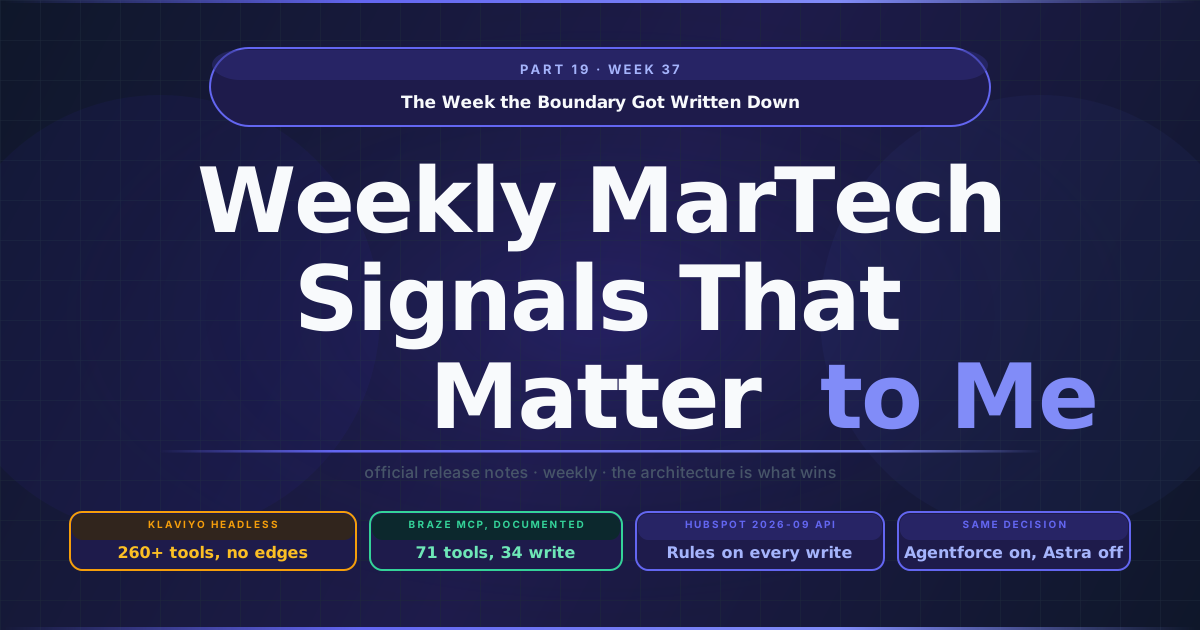
Weekly MarTech Signals That Matter to Me: Part 19, Week 37
Three customer engagement platforms published what their agent may actually do, and they put the answer in three different places: the launch copy, a reference table, and the API contract. The ones that write the boundary down are the ones you can buy from.
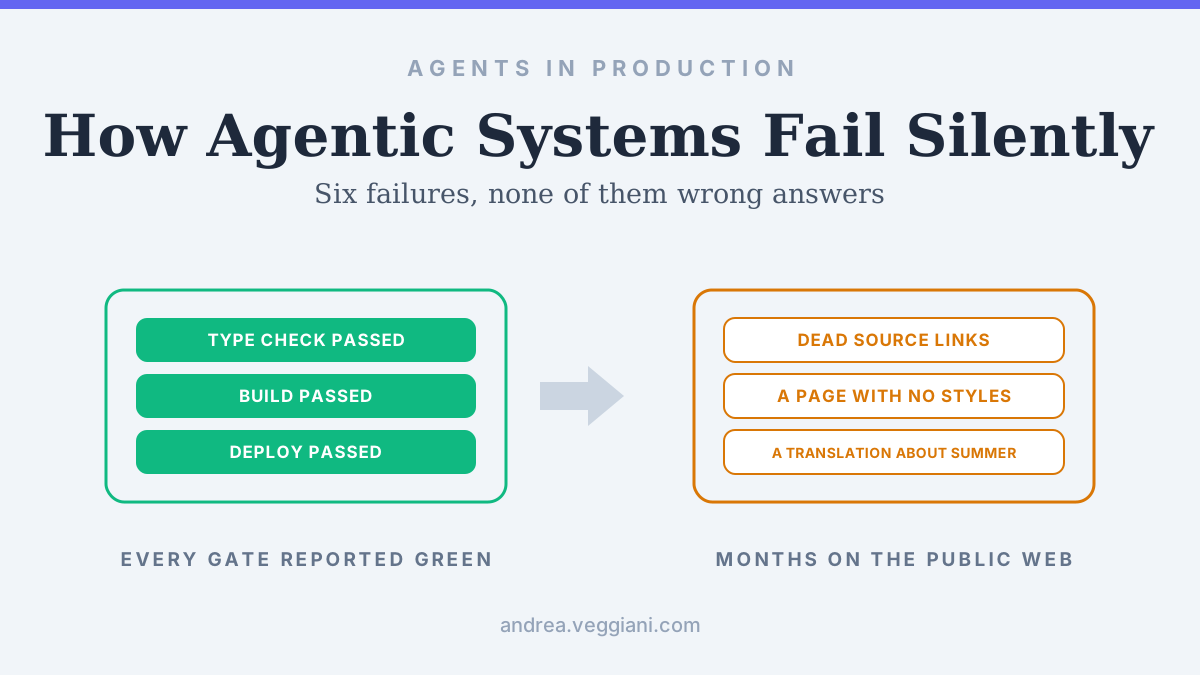
Agents in Production: How Agentic Systems Fail Silently
Six real failures from my own site, none of which were wrong answers. Truncated links that passed every build, a translation that was grammatically perfect and about the wrong thing, and what they say about where governance actually lives in an agentic operation.
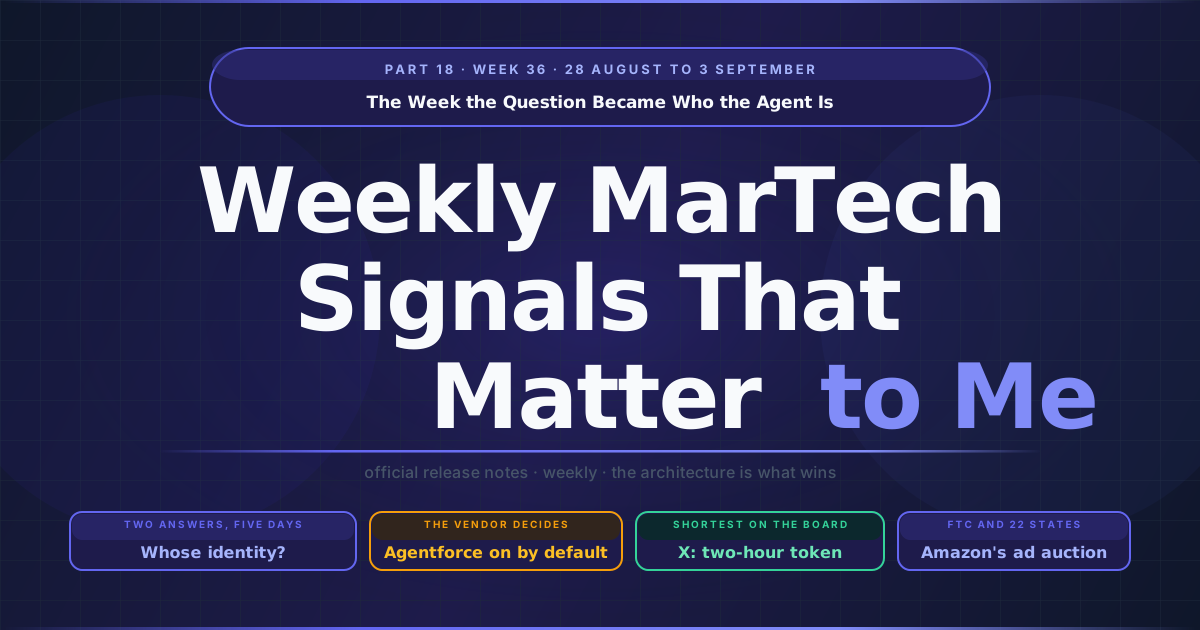
Weekly MarTech Signals That Matter to Me: Part 18, Week 36
Optimizely gave its agents their own identity. Salesforce and Anthropic gave theirs yours. Salesforce is also turning the agent platform on for you by default. Treasure AI published a read-only boundary, Salesforce retracted a write capability it had documented, and the FTC sued Amazon over an auction that was not the auction it described.
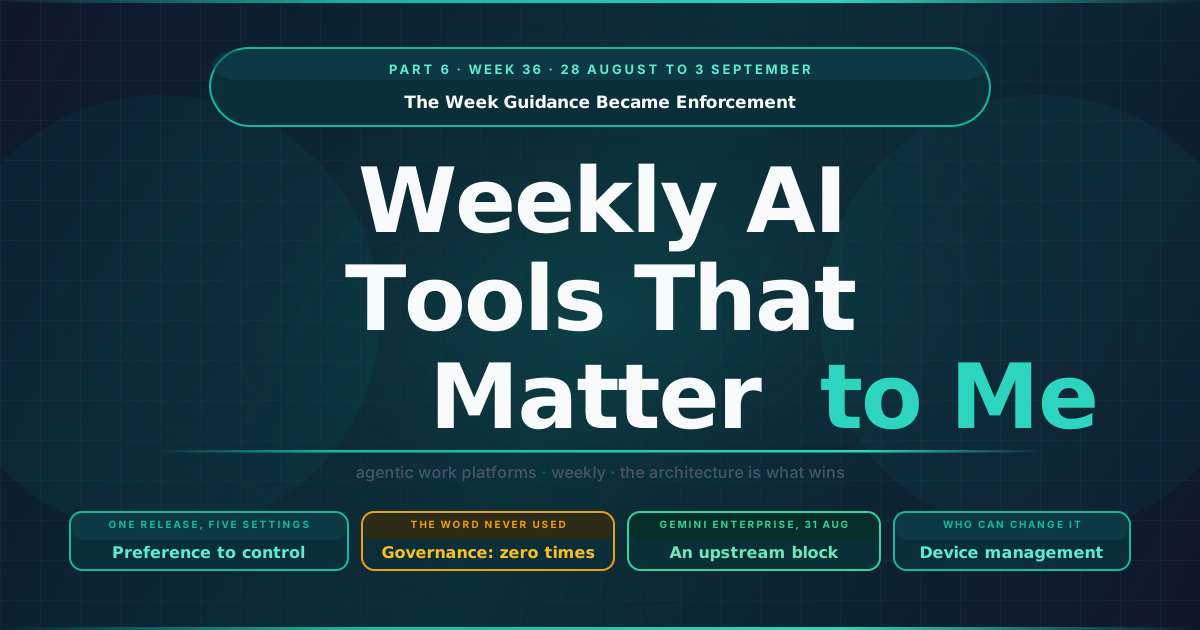
Weekly AI Tools That Matter to Me: Part 6, Week 36
Last edition closed on a vendor describing its organisation-wide instruction setting as guidance the model follows, not an enforced control. Six days later, Anthropic and Google both shipped the enforcement column.
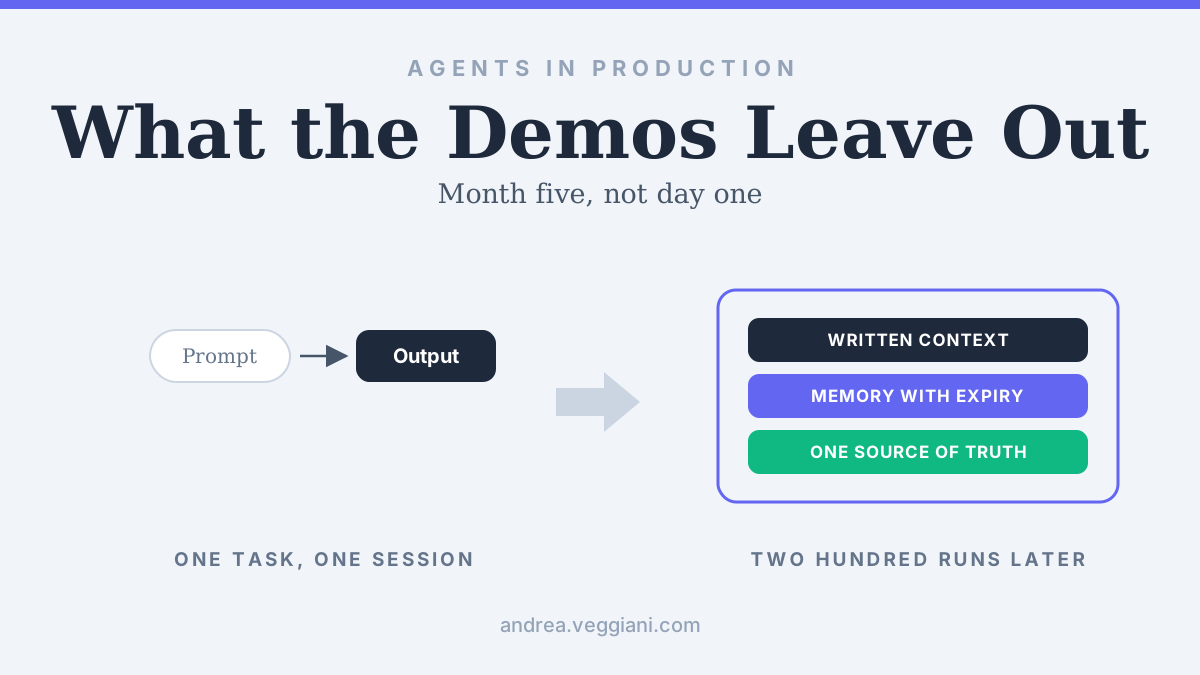
Agents in Production: What the Demos Leave Out
Every agentic demo shows one task in one session. This is what an agentic operation actually consists of on month five, using my own site as the evidence: a written context layer, a memory with expiry, and one unambiguous source of truth.
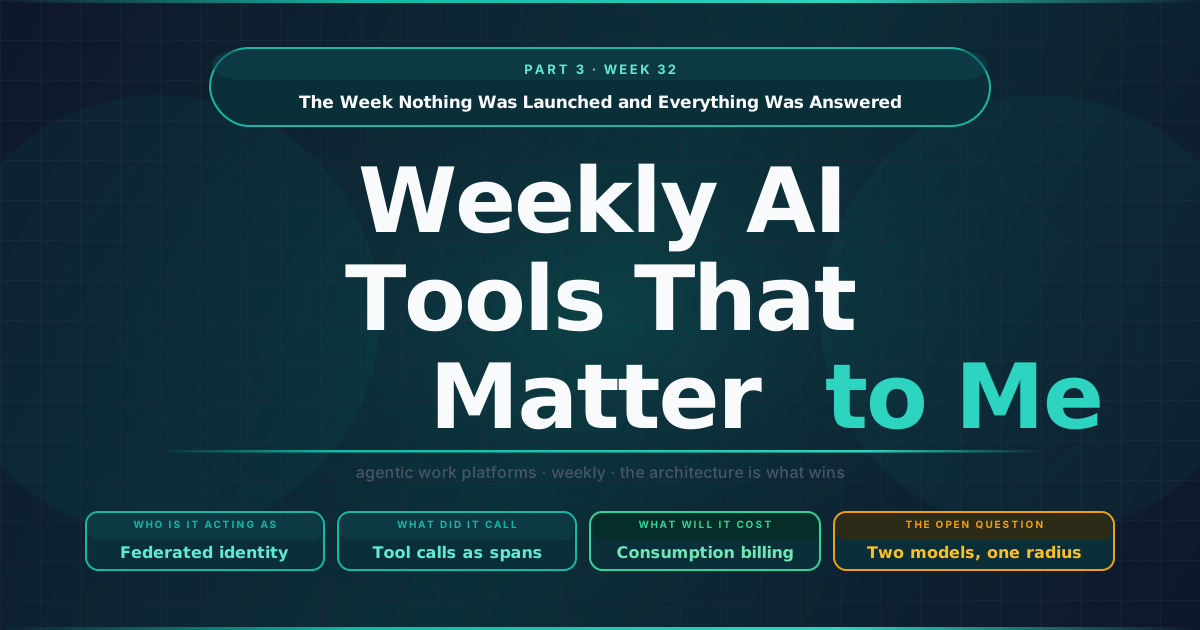
Weekly AI Tools That Matter to Me: Part 3, Week 32
Three agent platforms published releases in the same week and shipped no new model, no new agent type and no new autonomous behaviour. What they shipped instead was enterprise identity, tool-call tracing and consumption billing, which are the three things that were actually blocking rollouts.
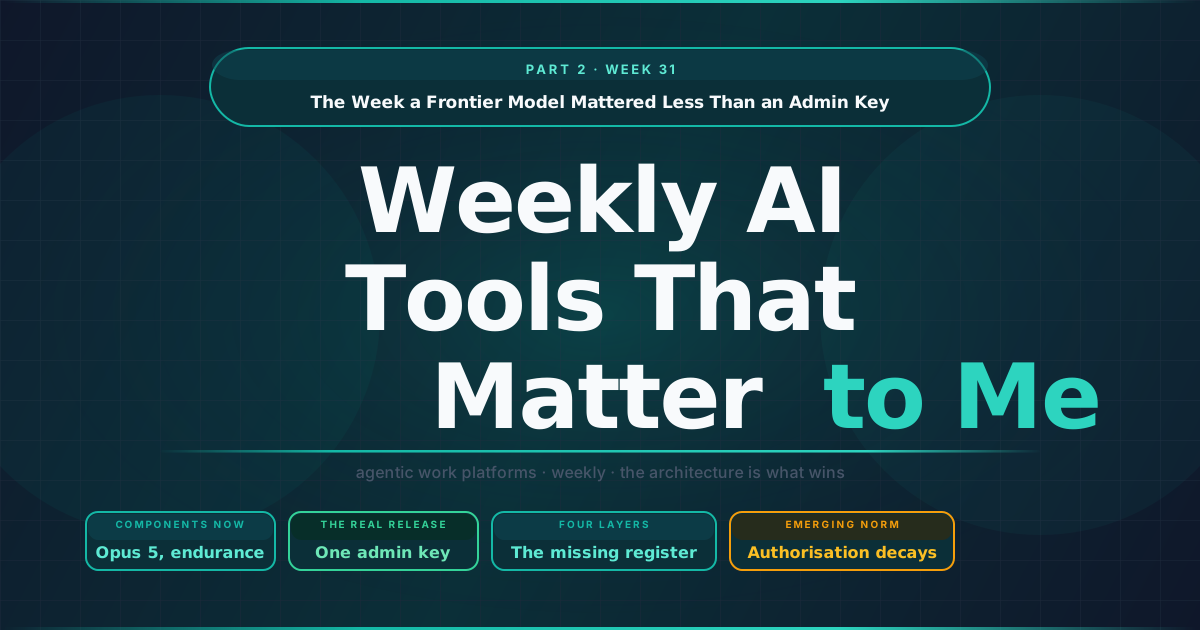
Weekly AI Tools That Matter to Me: Part 2, Week 31
One frontier model landed this week, and it was not the story. The consequential releases were an administrator key that makes MCP tool approvals expire with the session, and a console for finding out which agents you are already running.
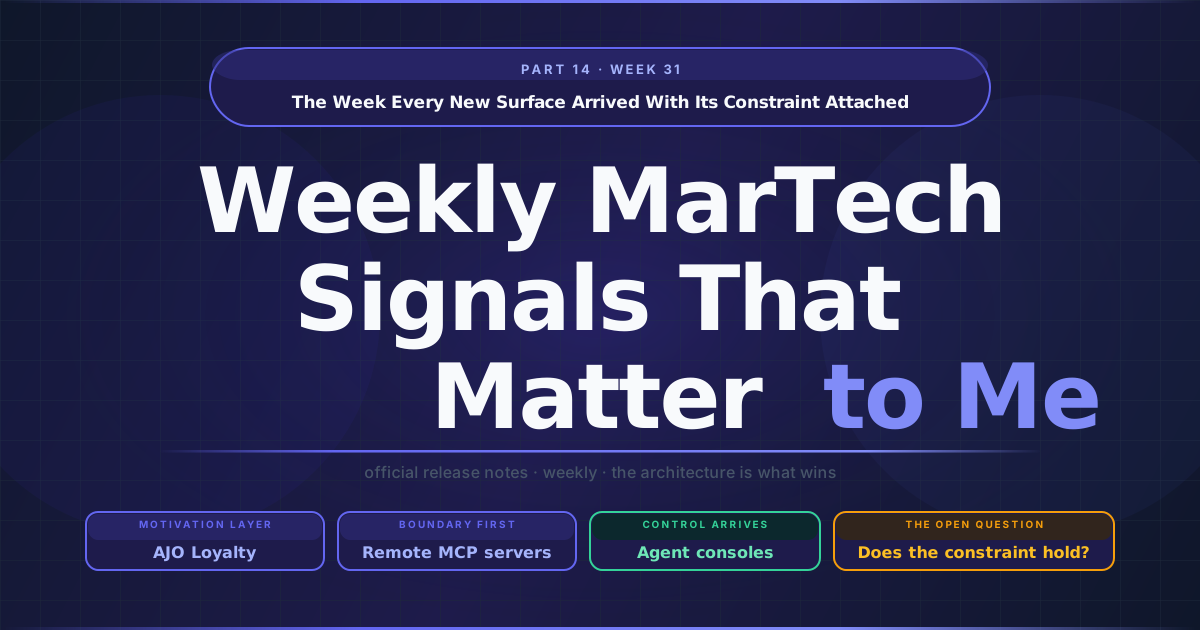
Weekly MarTech Signals That Matter to Me: Part 14, Week 31
Adobe took the motivation layer of loyalty into the CEP and left the points ledger behind. Two vendors shipped remote MCP servers and sold the boundary rather than the reach. A week where every new surface arrived with its constraint attached.
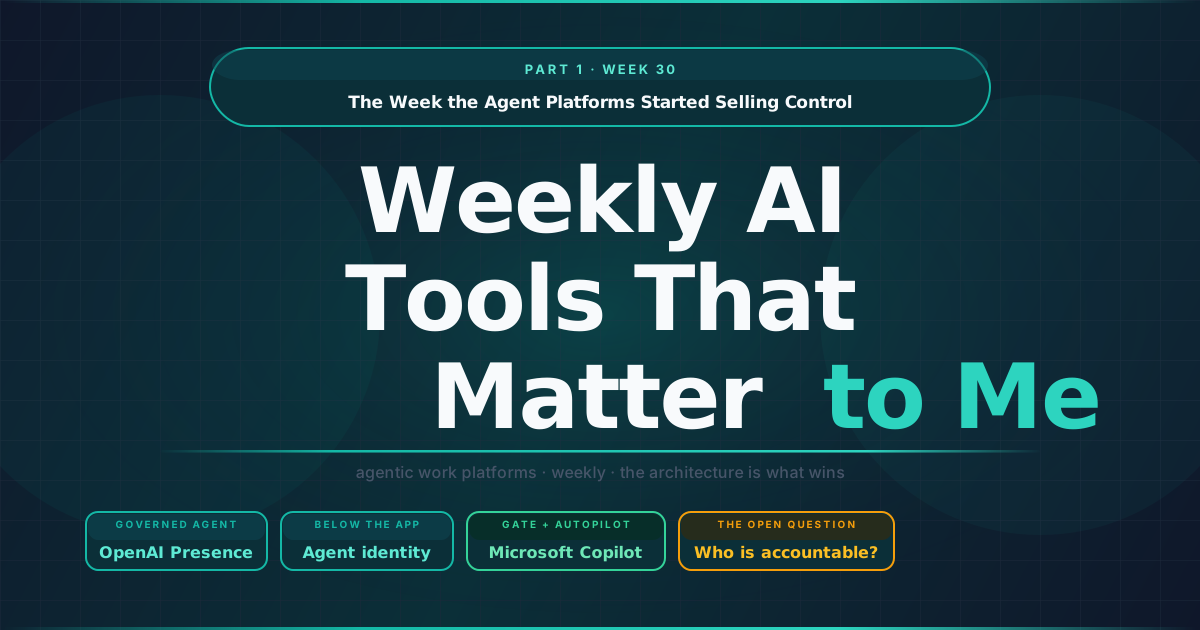
Weekly AI Tools That Matter to Me: Part 1, Week 30
The first edition of a new weekly series on agentic work platforms. This week the big three stopped selling capability and started selling control: OpenAI Presence, cryptographic agent identity in Gemini Enterprise, and governed publishing in Microsoft Copilot.
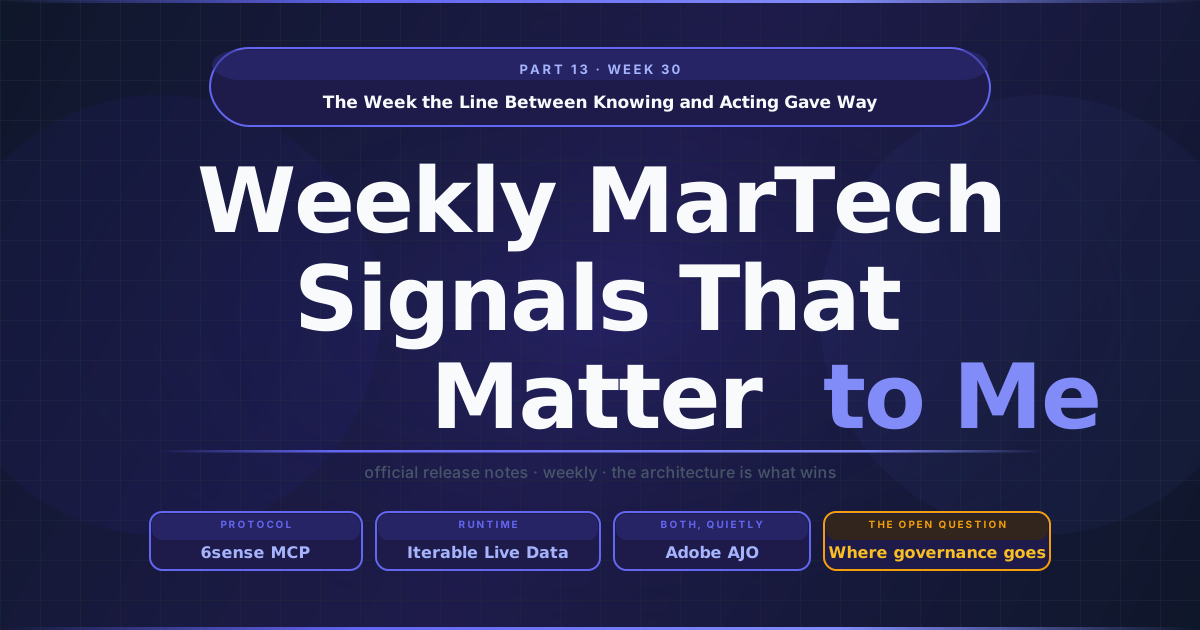
Weekly MarTech Signals That Matter to Me: Part 13, Week 30
In a single week, 6sense put its intelligence behind MCP, Iterable pulled live data into journeys, and Adobe Journey Optimizer shipped both. Three vendors, one move: the line between knowing the customer and acting on them is giving way.
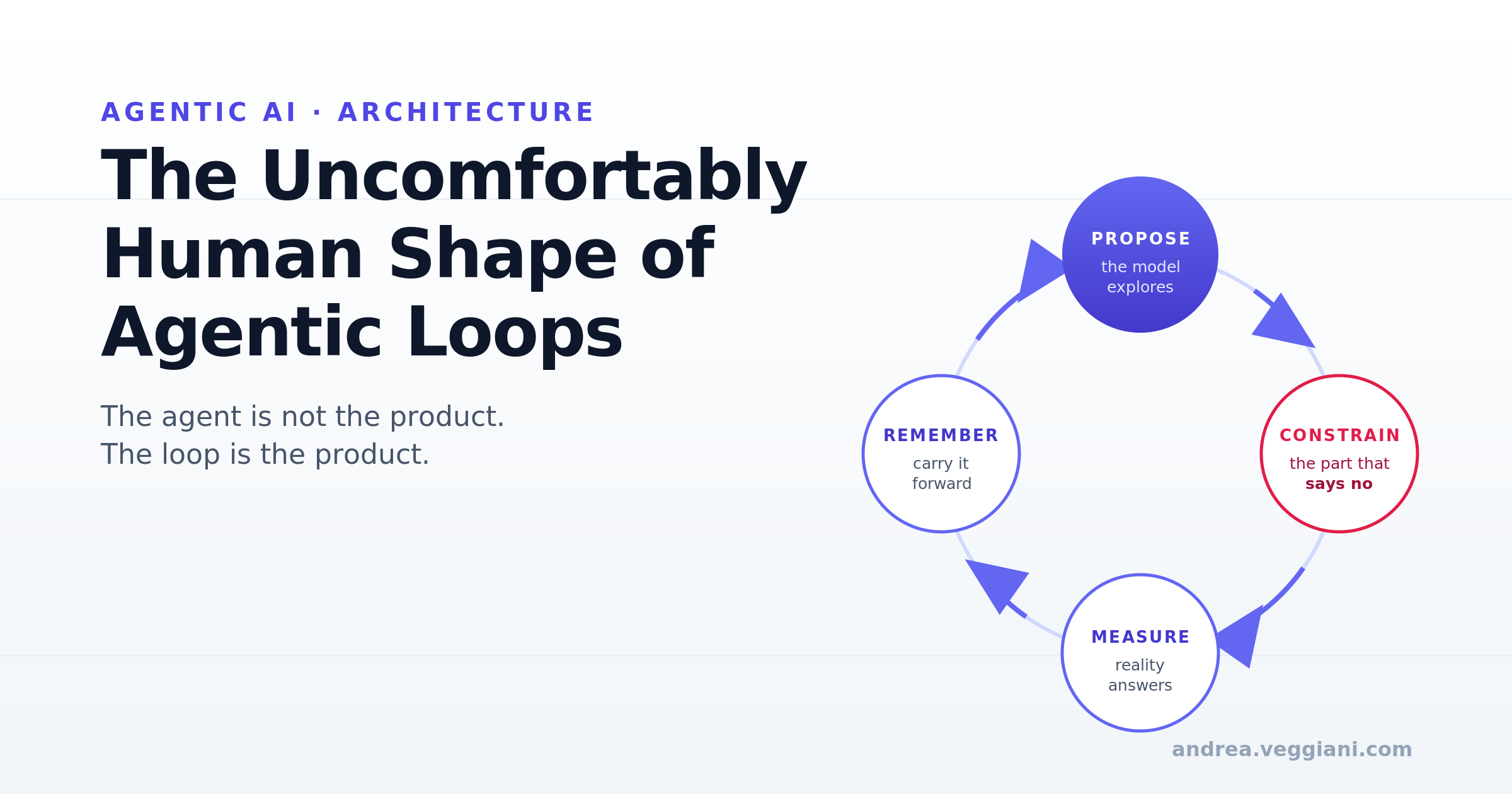
The Uncomfortably Human Shape of Agentic Loops
Why LLM agents grounded by feedback, memory and constraints feel so unsettlingly familiar, and what that means for MarTech architecture.

Weekly MarTech Signals That Matter to Me: Part 6, Week 23
Marketo brings MCP to the MAP layer, Iterable ships the unglamorous fundamentals, Mailchimp complicates its own strategic signal
Weekly MarTech Signals That Matter to Me: Part 5, Week 22
MCP is moving from isolated platform news to a common access layer for customer engagement platforms.

Business Autonomy Was Never Just a UI Problem
Agentic AI promises to make MarTech platforms easier to use, but without the right architecture and operating model it moves complexity rather than removing it.