Articles about
governance
Thoughts and field notes on MarTech, customer engagement, and solution architecture.
Weekly AI Tools That Matter to Me: Part 11, Week 41
GPT-6 with Intelligent UI began rolling out to every ChatGPT tier, so an answer can arrive as a chart, a form or a small tool. Around it, OpenAI and Anthropic published two different scopes for marking AI text, Google Docs started editing Markdown natively, and Claude Desktop put a border around imported chat history.
Weekly MarTech Signals That Matter to Me: Part 23, Week 41
Insider made agent autonomy a mode chosen per use case and channel, 6sense let workflows be rehearsed in a sandbox before promotion, Iterable spelled out the order in which a control must be switched on, and Marketo's MCP server gained smart list operations during its open beta. Rollout is becoming part of the product.
Weekly AI Tools That Matter to Me: Part 10, Week 40
OpenAI's dots arrive with read-only background research and allow, ask or block rules, and its specialist dots with an identity of their own, while Anthropic, Google and Braze tightened what an agent may do under a person's name. Who the agent is decides what the audit log can tell you.
Weekly MarTech Signals That Matter to Me: Part 22, Week 40
Braze put its Operator inside Claude and ChatGPT under the individual user's identity, Marketo's MCP server runs as a dedicated API user, and OpenAI gave its specialist dots an identity of their own. Three answers to the first architecture question of agentic marketing.
Weekly AI Tools That Matter to Me: Part 9, Week 39
Claude Desktop, Google Workspace and Gemini Enterprise put an expiry date or a new owner on standing access, while two ChatGPT defaults moved towards fewer prompts. Why agent governance is shifting from a one-time approval to a recurring one.
Weekly MarTech Signals That Matter to Me: Part 21, Week 39
Iterable made the email tracking pixel a per-recipient consent value and Braze made its MCP server sign in as the person using it. The same design decision from two ends of the stack, and the history nobody has planned to keep.
Weekly AI Tools That Matter to Me: Part 8, Week 38
One vendor removed a confirmation prompt by default and shipped the largest set of enterprise controls yet in the same release. Another published six reports on things its models did wrong. Both belong in the same conversation.
Weekly MarTech Signals That Matter to Me: Part 20, Week 38
Salesforce and HubSpot both announced that their own screen is no longer where you use them, and both answered the governance question with inheritance. What that leaves unresolved for anyone who has to audit it.
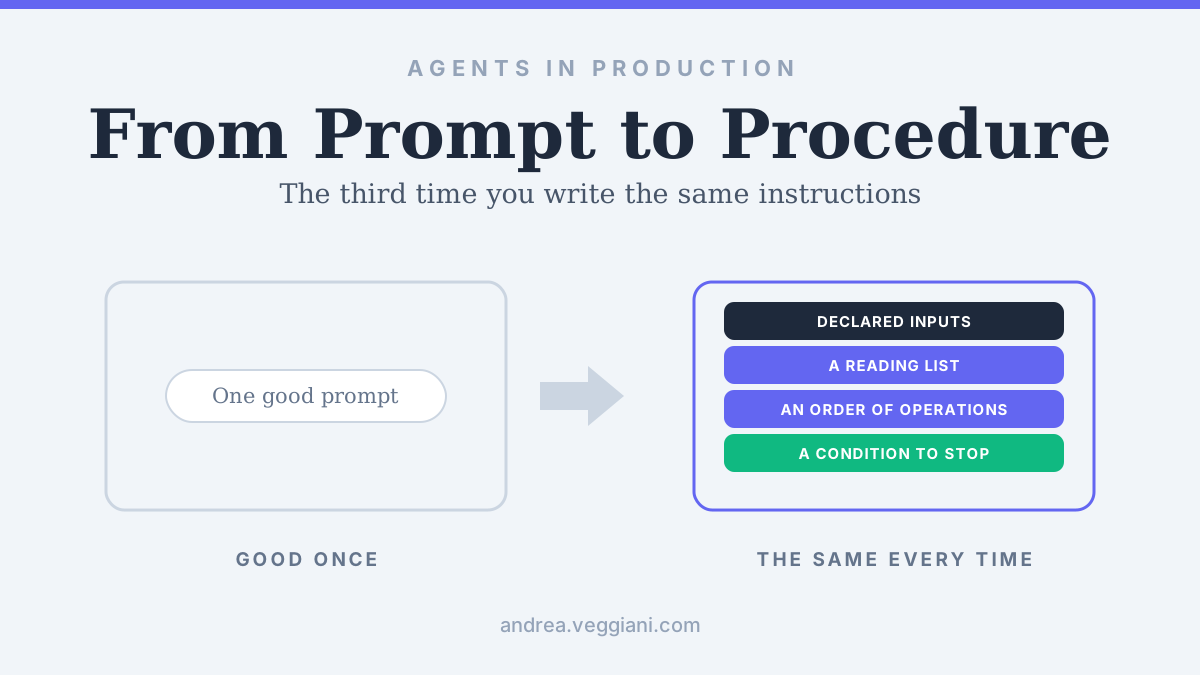
Agents in Production: From Prompt to Procedure
How repeated editorial work on this site became named procedures with their own caps, order of operations and approval gates, what that changed about consistency, and where the comparison to journey orchestration honestly stops holding.
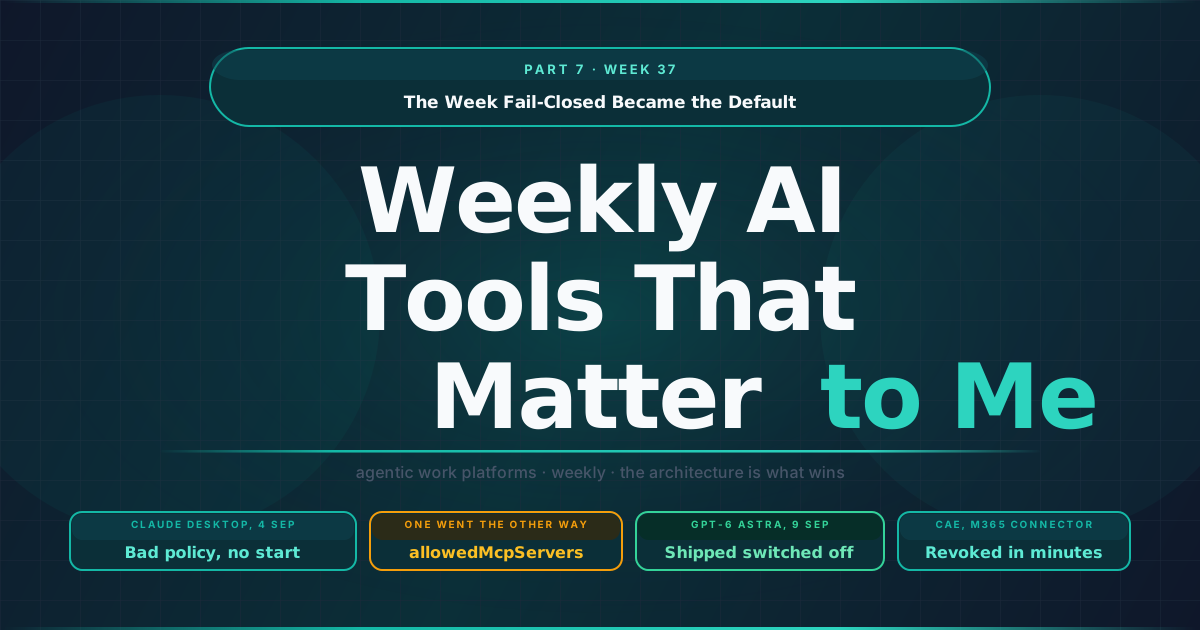
Weekly AI Tools That Matter to Me: Part 7, Week 37
In one release train, three separate misconfigurations stopped being ignored and started stopping the product. Fail-closed arrived in the admin console, and a frontier model shipped switched off.
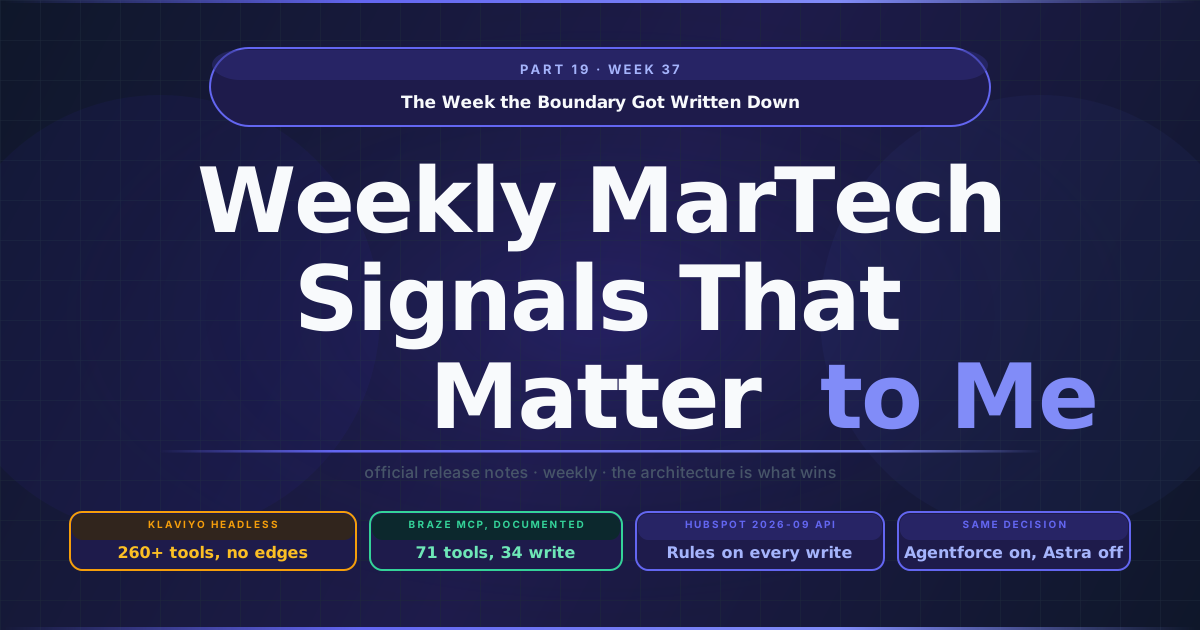
Weekly MarTech Signals That Matter to Me: Part 19, Week 37
Three customer engagement platforms published what their agent may actually do, and they put the answer in three different places: the launch copy, a reference table, and the API contract. The ones that write the boundary down are the ones you can buy from.
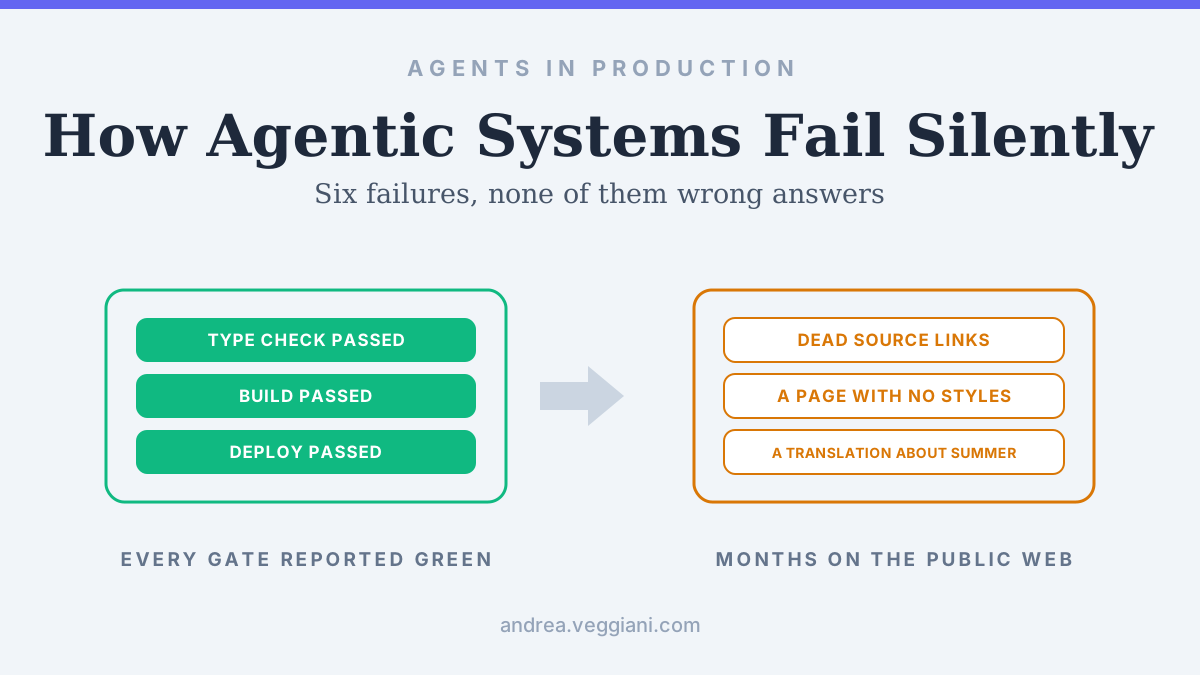
Agents in Production: How Agentic Systems Fail Silently
Six real failures from my own site, none of which were wrong answers. Truncated links that passed every build, a translation that was grammatically perfect and about the wrong thing, and what they say about where governance actually lives in an agentic operation.
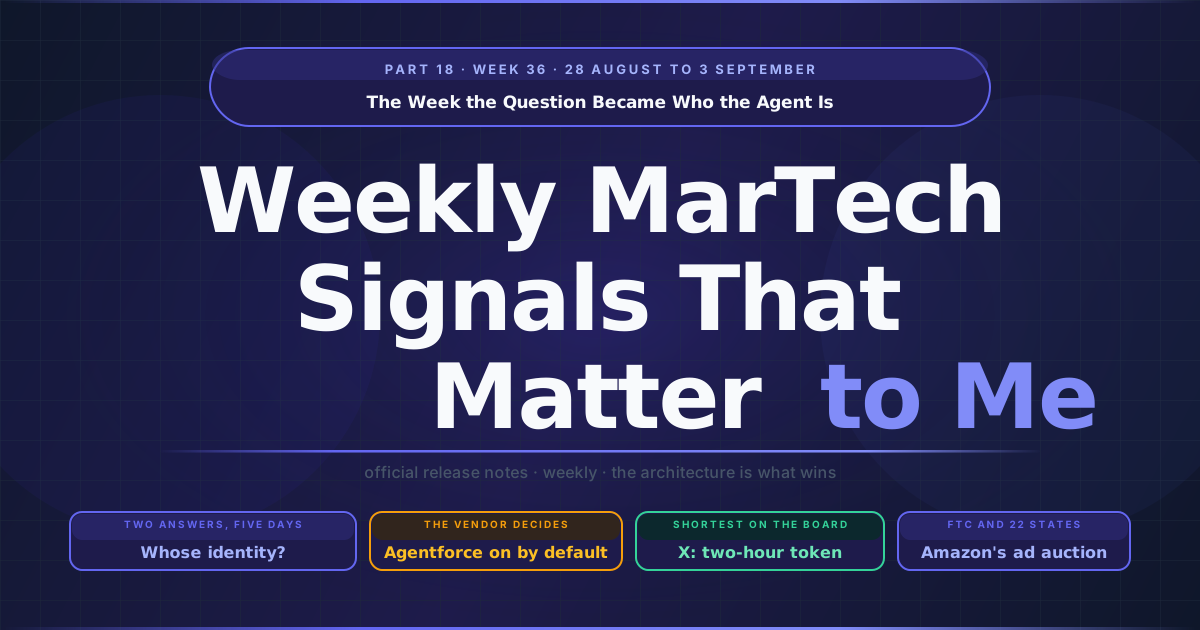
Weekly MarTech Signals That Matter to Me: Part 18, Week 36
Optimizely gave its agents their own identity. Salesforce and Anthropic gave theirs yours. Salesforce is also turning the agent platform on for you by default. Treasure AI published a read-only boundary, Salesforce retracted a write capability it had documented, and the FTC sued Amazon over an auction that was not the auction it described.
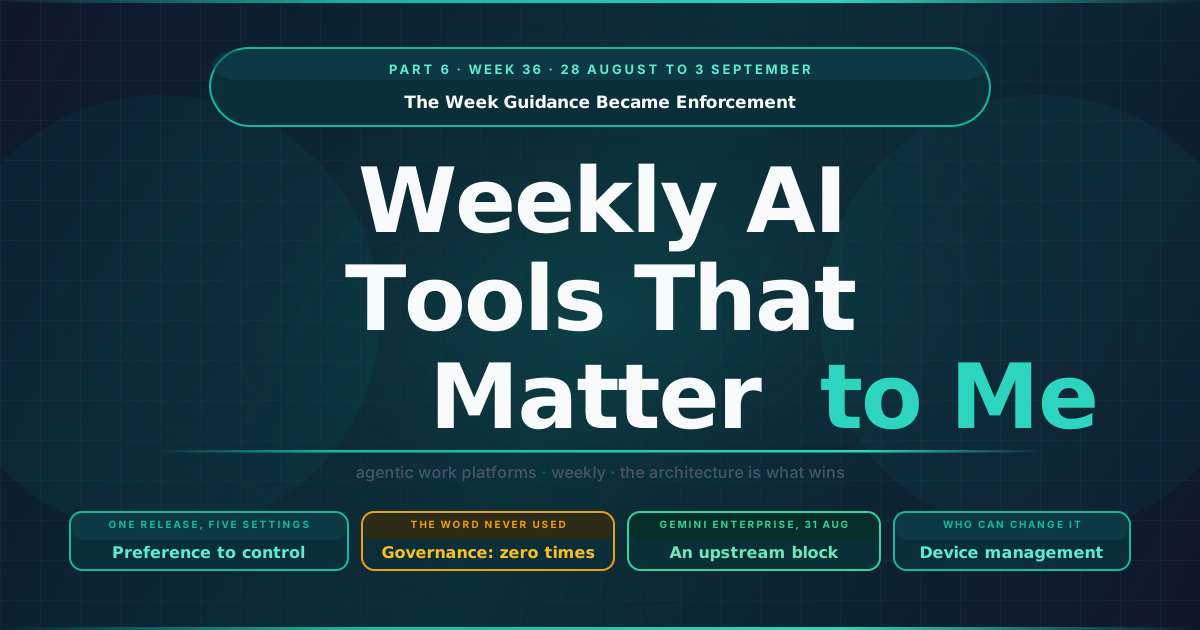
Weekly AI Tools That Matter to Me: Part 6, Week 36
Last edition closed on a vendor describing its organisation-wide instruction setting as guidance the model follows, not an enforced control. Six days later, Anthropic and Google both shipped the enforcement column.
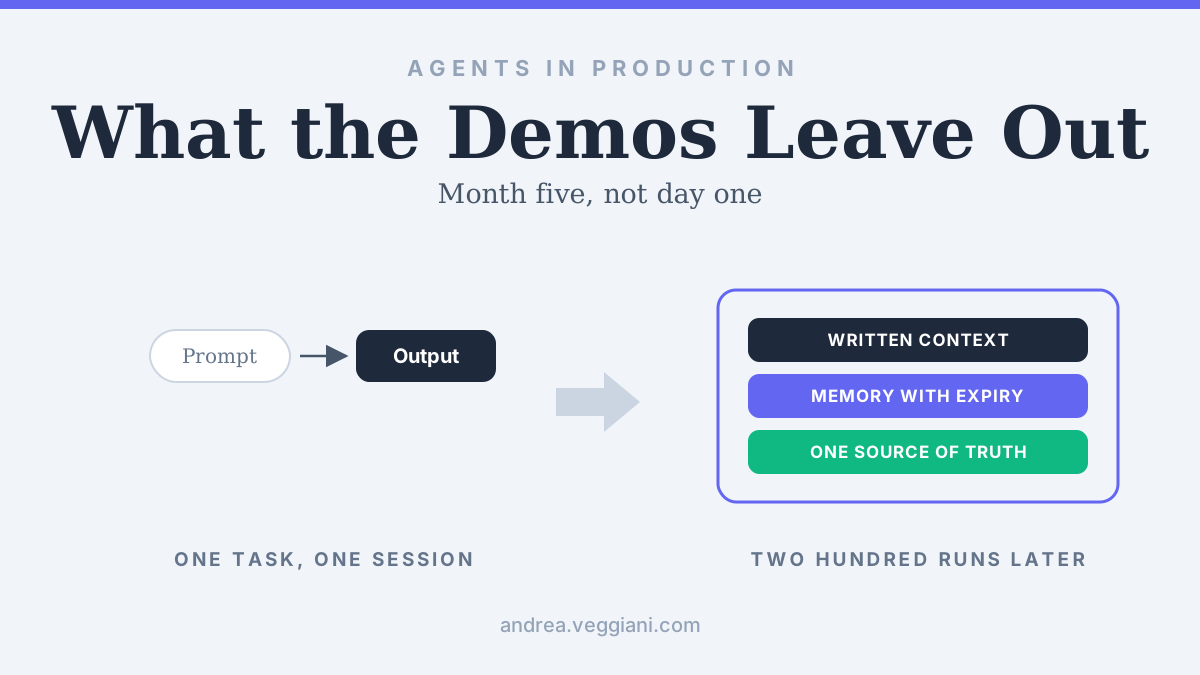
Agents in Production: What the Demos Leave Out
Every agentic demo shows one task in one session. This is what an agentic operation actually consists of on month five, using my own site as the evidence: a written context layer, a memory with expiry, and one unambiguous source of truth.
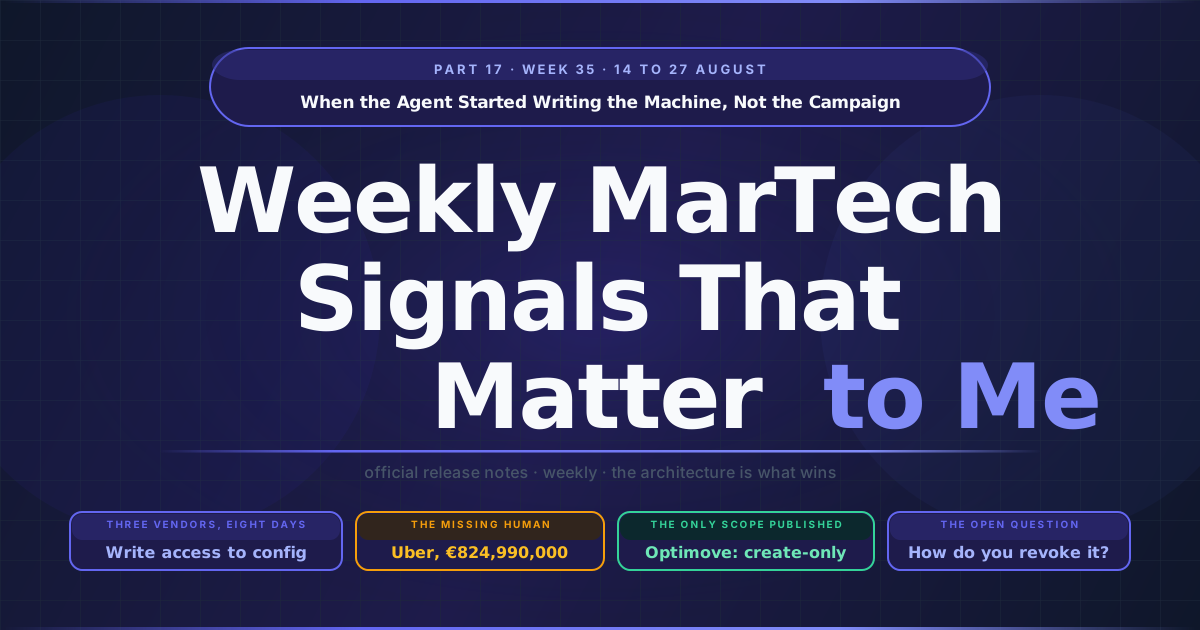
Weekly MarTech Signals That Matter to Me: Part 17, Week 35
In eight days three platforms gave an agent write access to configuration rather than to campaigns, and none of them published a session lifetime or a revocation path. In the same fortnight a regulator put 825 million euros on the absence of a human in an automated decision.
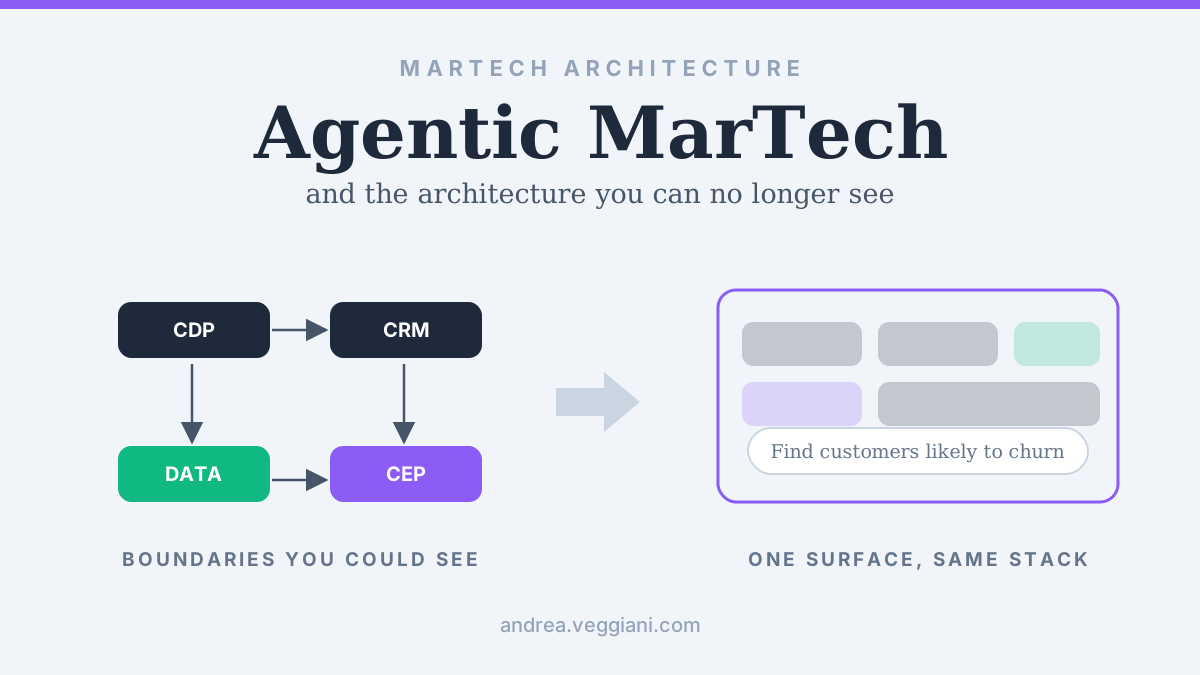
Agentic MarTech: The Architecture You Cannot See
Conversational MarTech interfaces hide system boundaries inside permissions, prompts, definitions, retrieval policies and traces. Five questions and an agent register make them inspectable again.
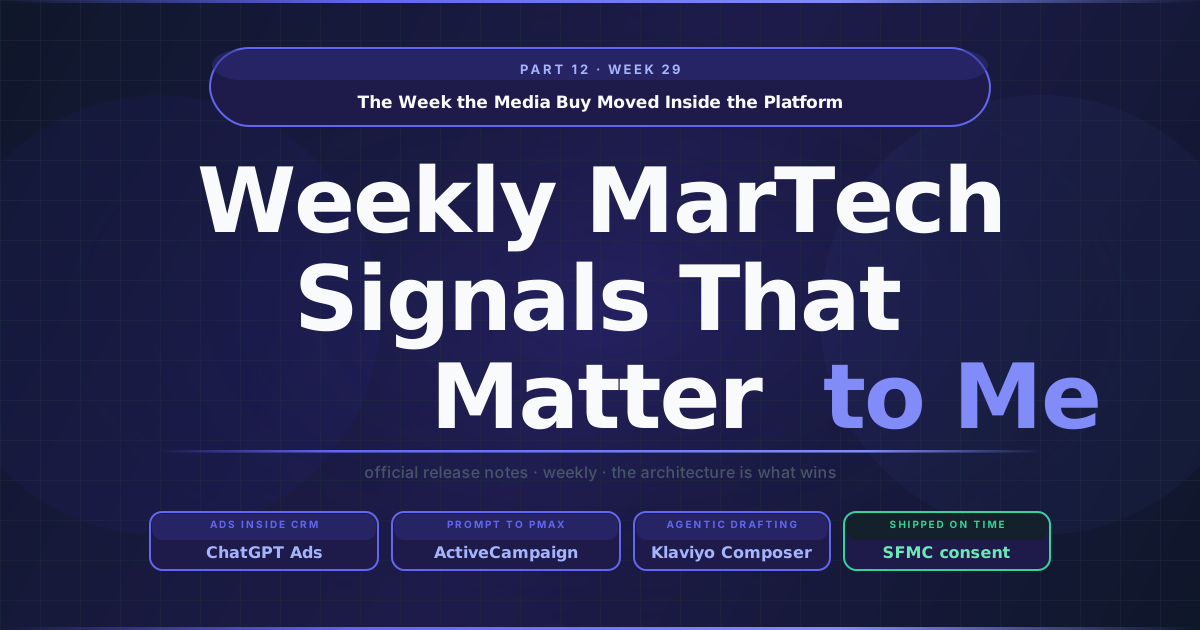
Weekly MarTech Signals That Matter to Me: Part 12, Week 29
A quiet product week still moved a boundary: paid-media execution is being pulled closer to engagement and automation platforms, while more of the campaign chain is being operated through agentic interfaces. Why that is an architecture question, not a feature one.
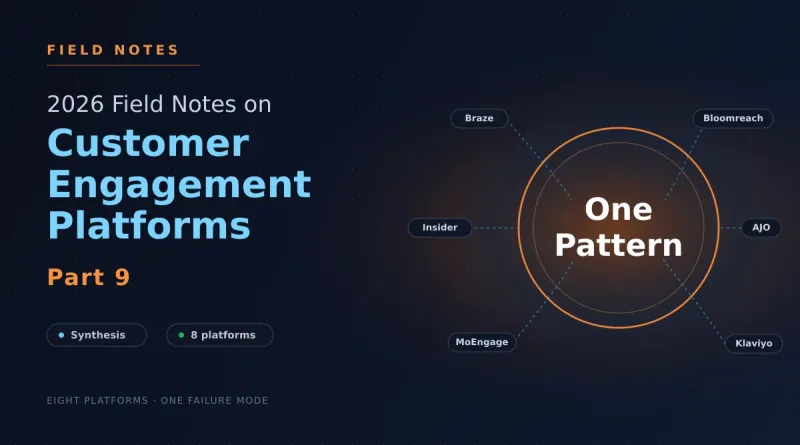
2026 Field Notes on Customer Engagement Platforms — Part 9: Eight Platforms, One Pattern
Eight platforms, one pattern: an interim synthesis where different CEP physics converge on the same governance-versus-activation failure mode.
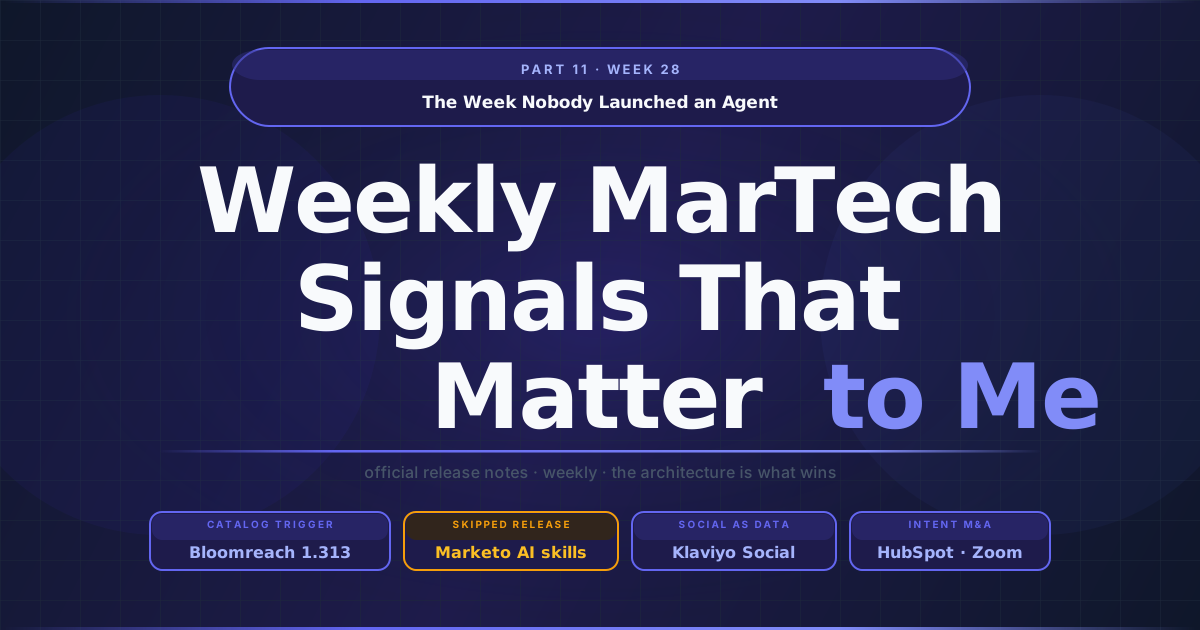
Weekly MarTech Signals That Matter to Me: Part 11, Week 28
A quiet holiday week with no agent launches, yet one of the quarter's most architecturally interesting: catalogs, channels and two intent-layer buys.
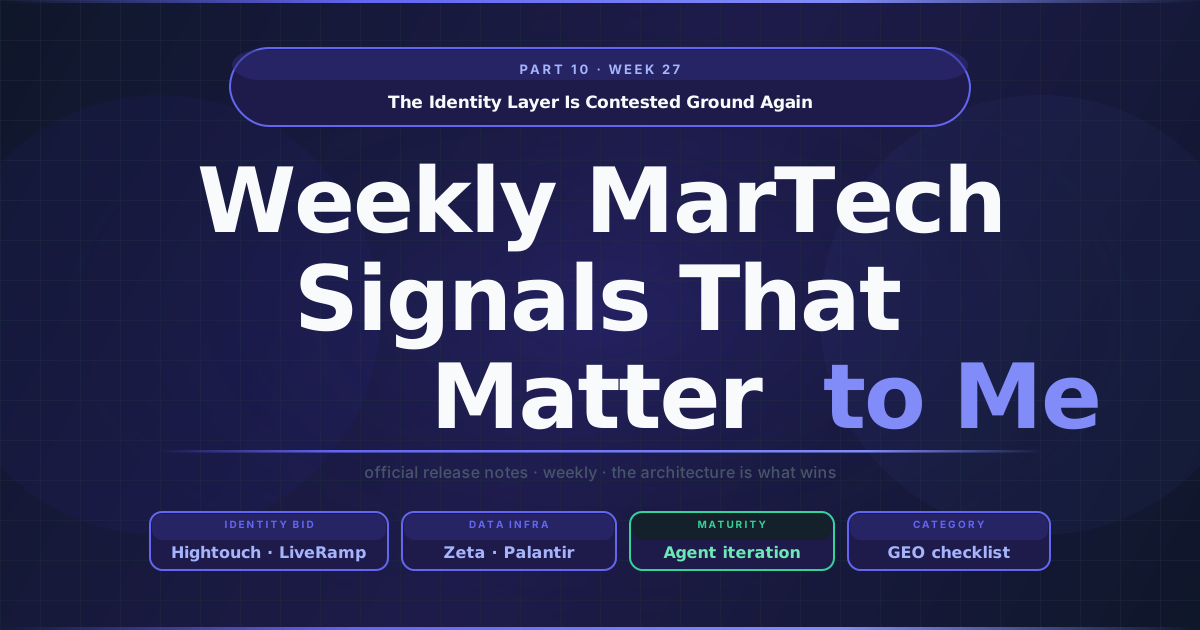
Weekly MarTech Signals That Matter to Me: Part 10, Week 27
Hightouch's LiveRamp bid, Zeta's Palantir partnership, Databricks CustomerLake and Tealium Context API all point to the same shift
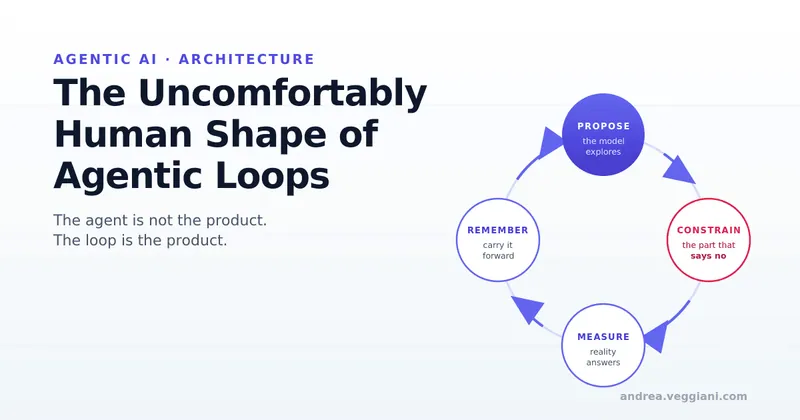
The Uncomfortably Human Shape of Agentic Loops
Why LLM agents grounded by feedback, memory and constraints feel so unsettlingly familiar, and what that means for MarTech architecture.
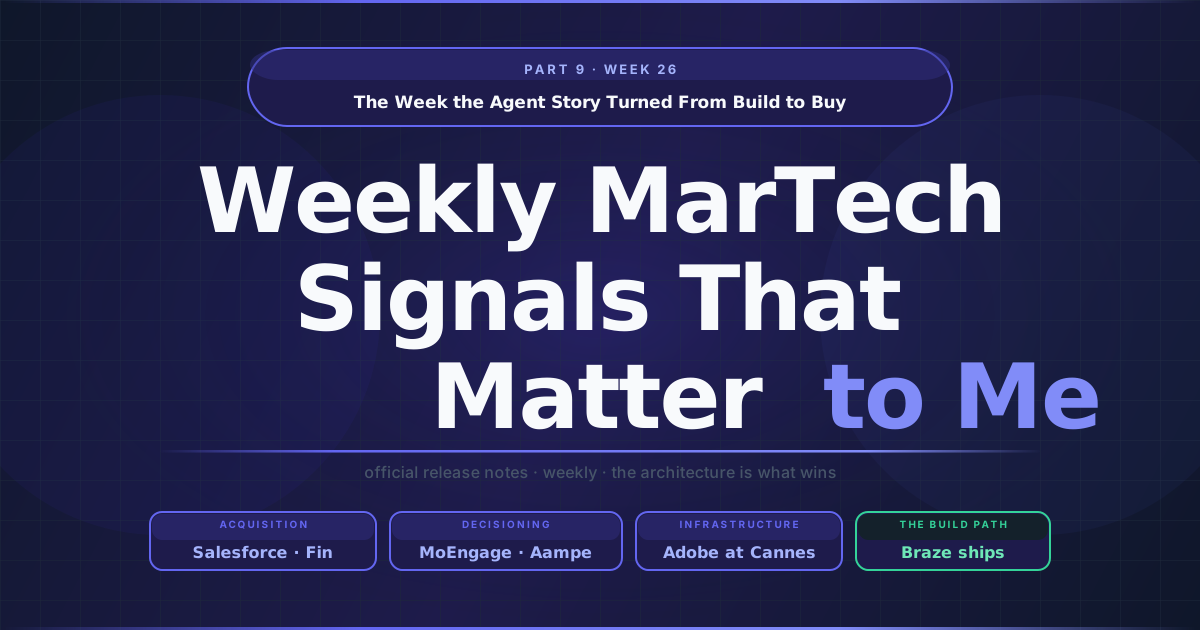
Weekly MarTech Signals That Matter to Me: Part 9, Week 26
Salesforce agreed to acquire Fin for $3.6B and MoEngage acquired Aampe's per-customer decisioning engine.
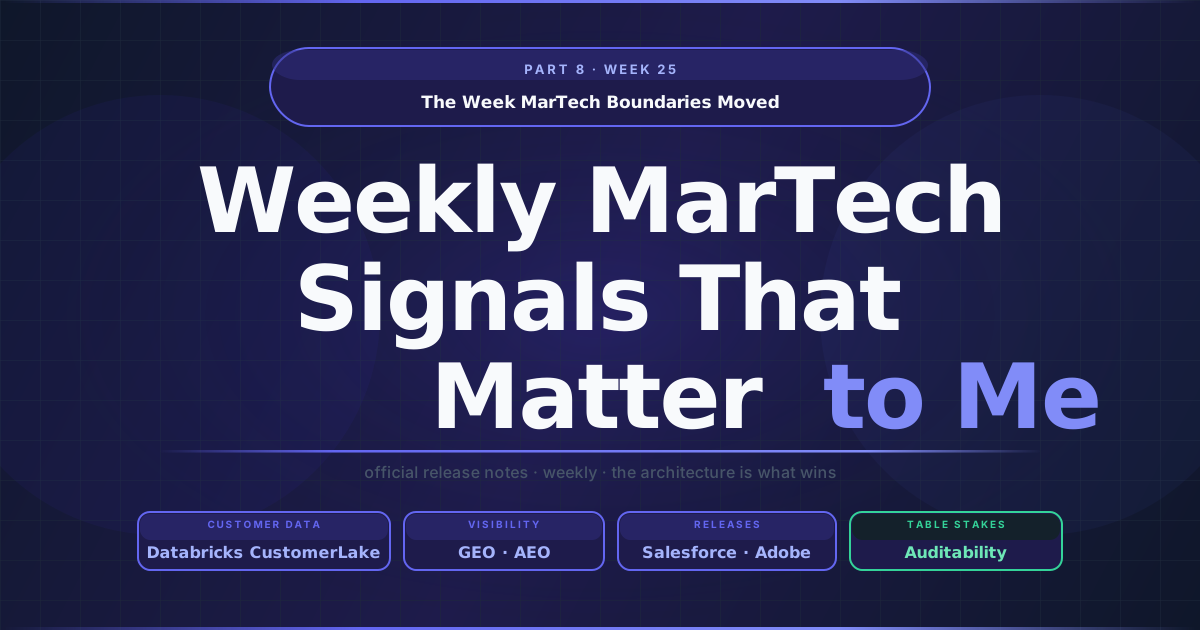
Weekly MarTech Signals That Matter to Me: Part 8, Week 25
Databricks launched an agentic CDP inside the lakehouse, GEO became a buyable category almost overnight, and Salesforce shipped Summer '26.