Writing
Honest, practitioner-level writing on MarTech, customer data, and the platforms shaping modern engagement.
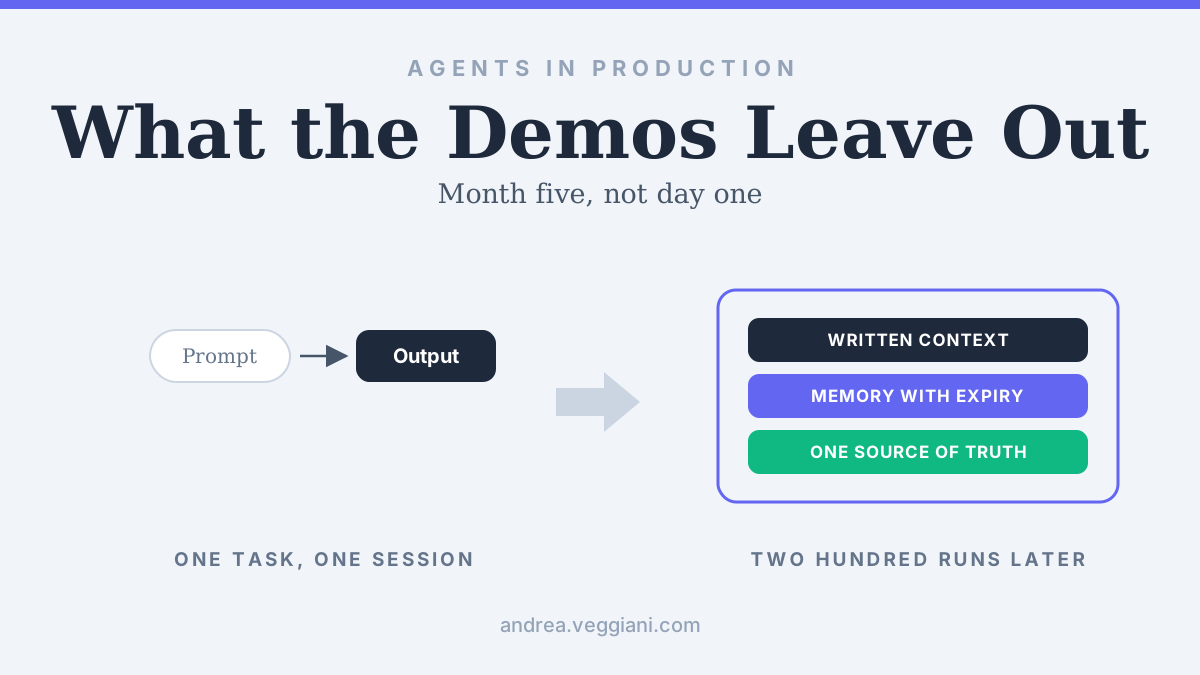
Agents in Production: What the Demos Leave Out
Every agentic demo shows one task in one session. This is what an agentic operation actually consists of on month five, using my own site as the evidence: a written context layer, a memory with expiry, and one unambiguous source of truth.
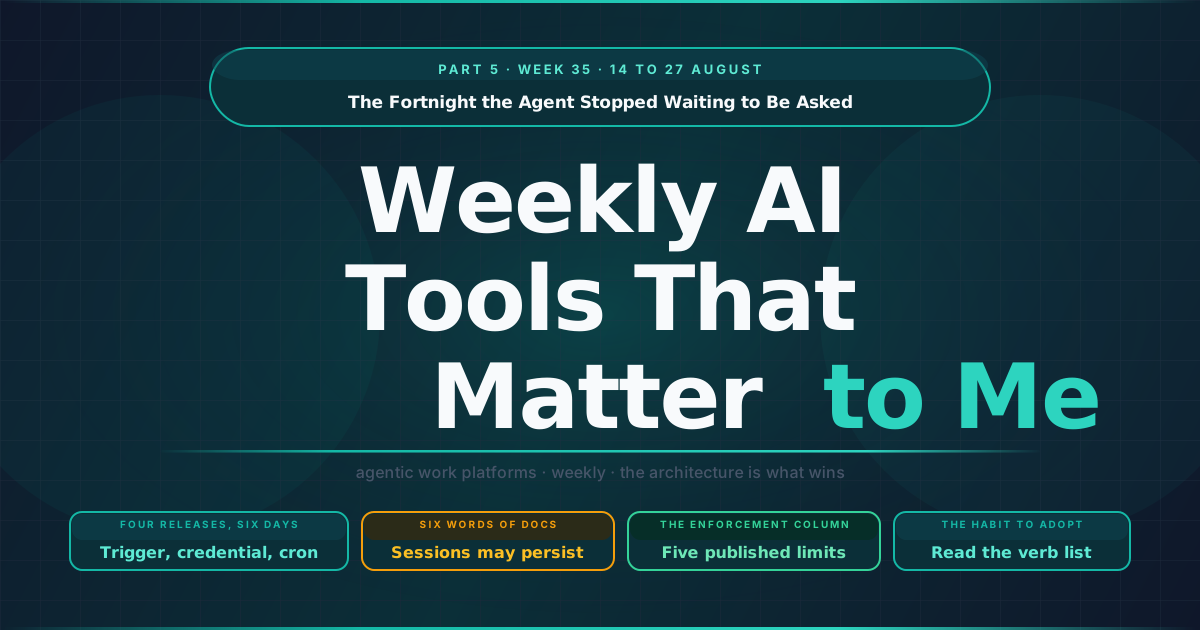
Weekly AI Tools That Matter to Me: Part 5, Week 35
In two weeks the agent acquired a trigger it does not control, a credentialled session it can reuse, and a schedule nobody attends. Then OpenAI pointed the same architecture at the workspace itself and, unlike everyone else, wrote down what it may not do.
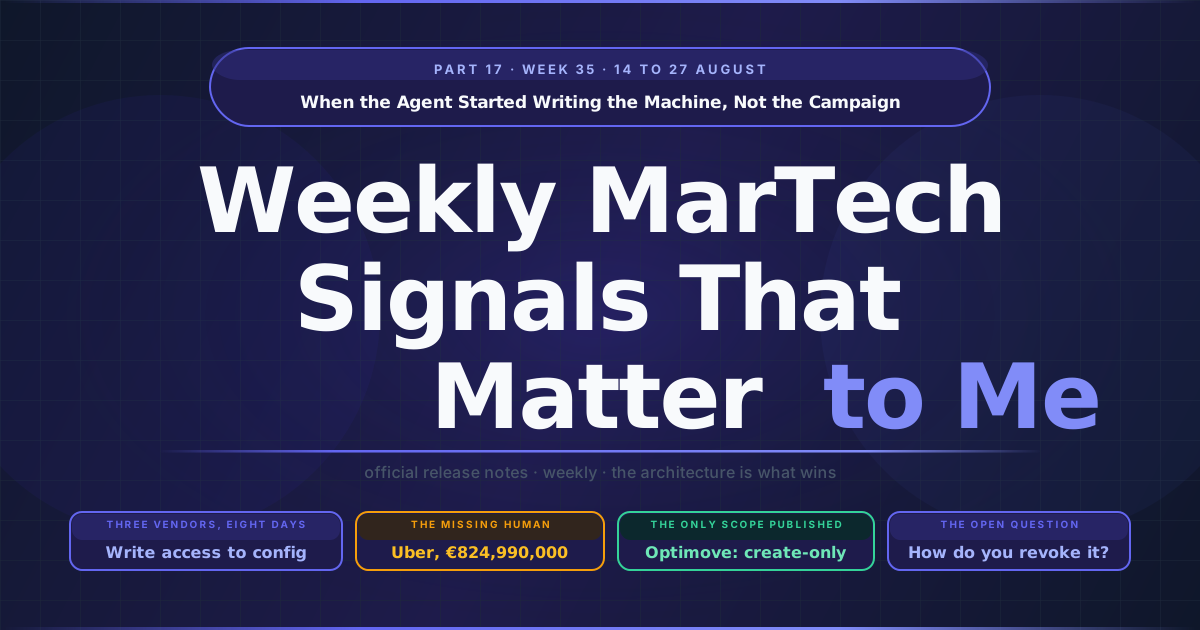
Weekly MarTech Signals That Matter to Me: Part 17, Week 35
In eight days three platforms gave an agent write access to configuration rather than to campaigns, and none of them published a session lifetime or a revocation path. In the same fortnight a regulator put 825 million euros on the absence of a human in an automated decision.
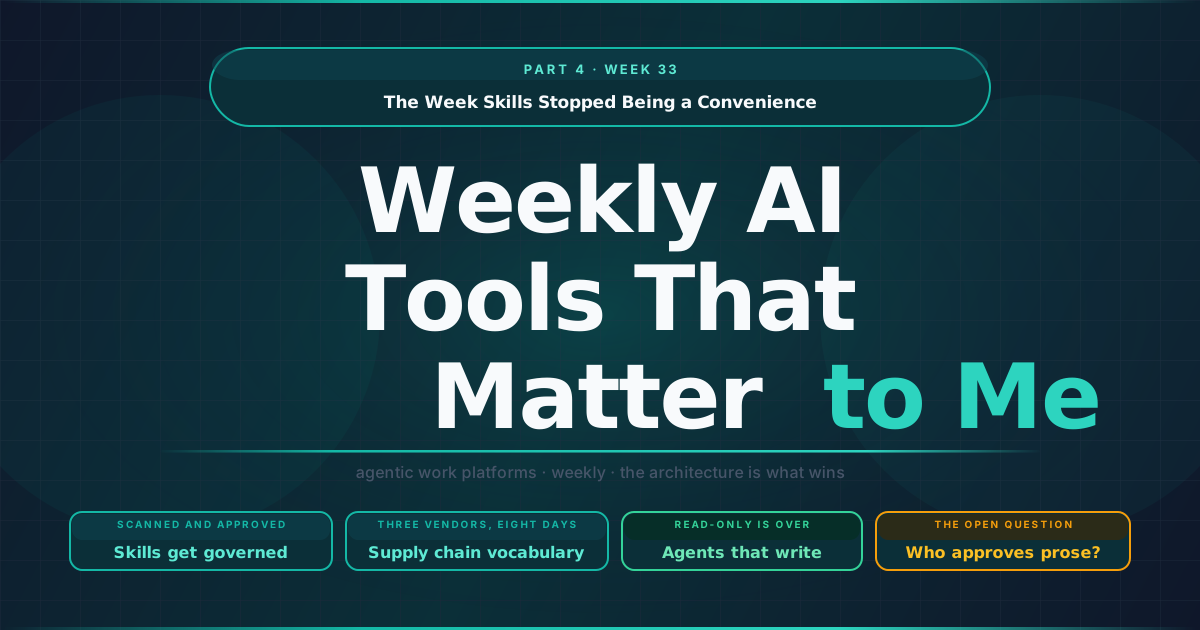
Weekly AI Tools That Matter to Me: Part 4, Week 33
In eight days Anthropic shipped scanning for third-party skills, Google shipped an administrator approval queue for them, and Treasure AI redefined a saved workflow as a skill. Software supply chain vocabulary, applied to prose. Meanwhile the read-only phase of agent integration ended without an announcement.
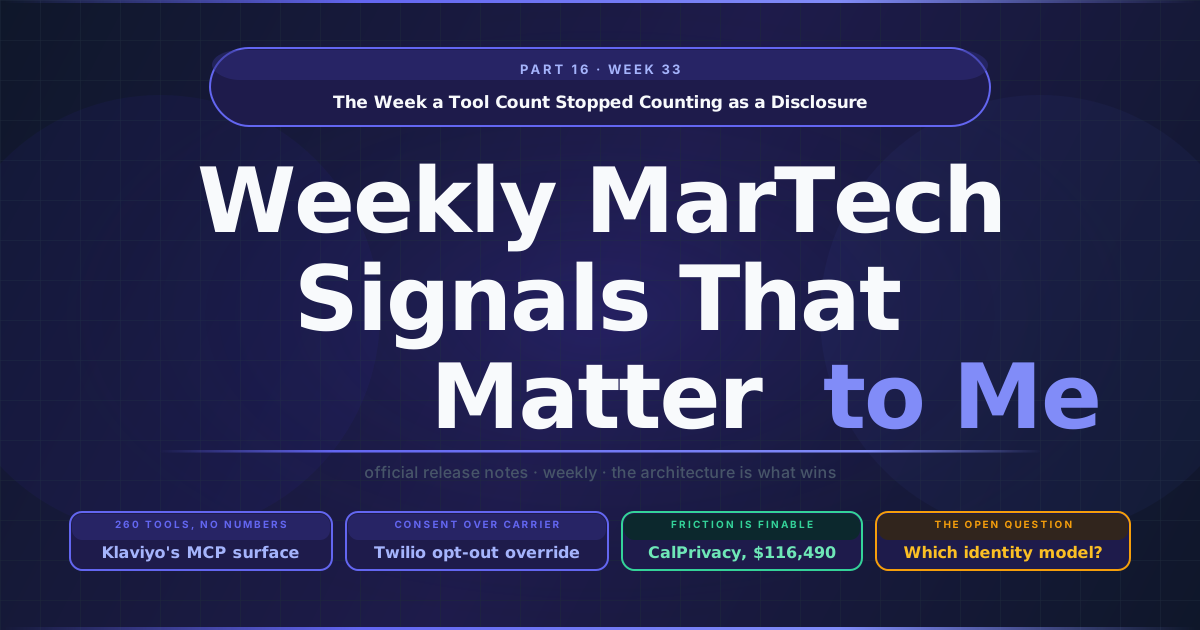
Weekly MarTech Signals That Matter to Me: Part 16, Week 33
Klaviyo published 260 MCP tools with write access in a single sentence, and published nothing about session lifetime or permissions. In the same four days, a regulator, a messaging provider and a standards body all turned the opt-out path into something with an API and an audit trail.
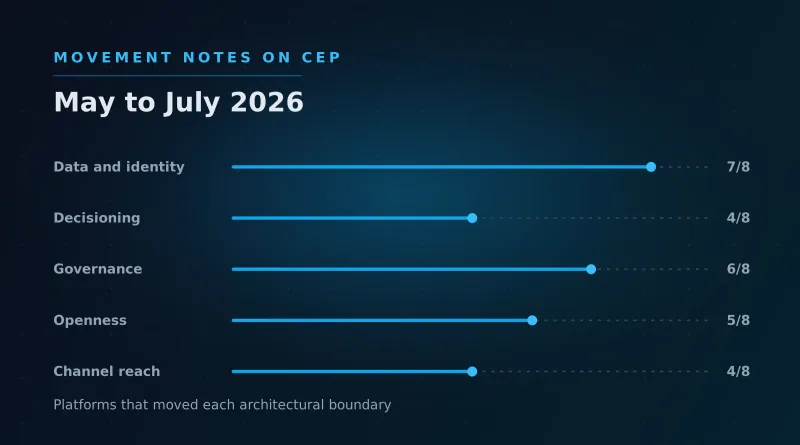
Movement Notes on CEP: May to July 2026
Which architectural boundaries eight customer engagement platforms moved between May and July 2026, across data, decisioning, governance, openness and channel reach.
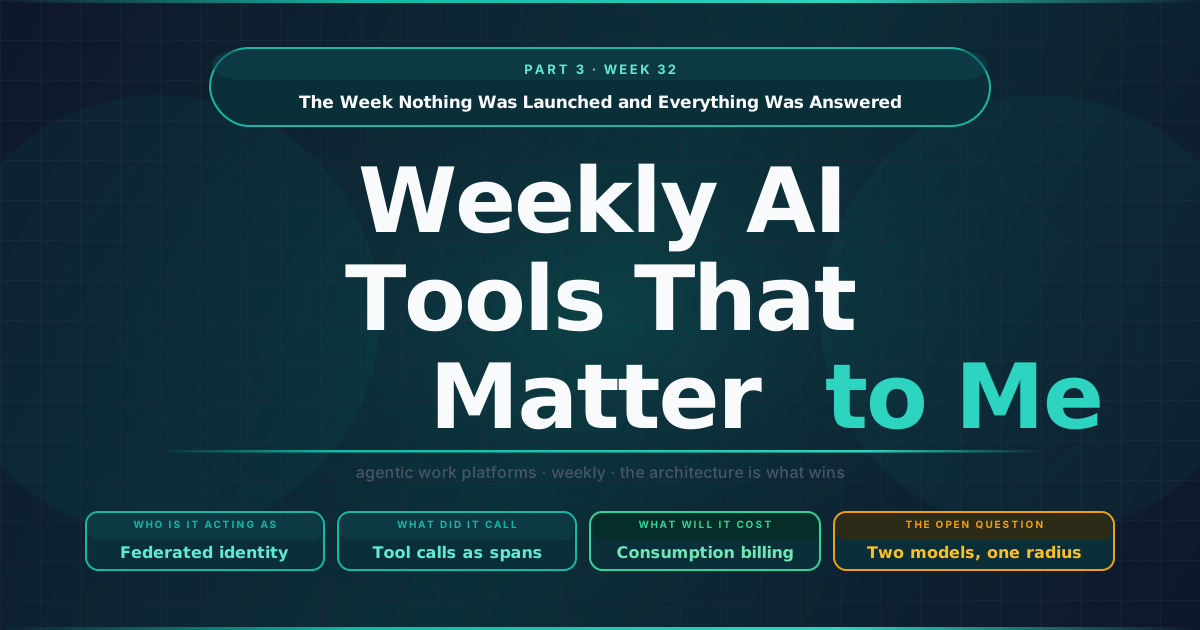
Weekly AI Tools That Matter to Me: Part 3, Week 32
Three agent platforms published releases in the same week and shipped no new model, no new agent type and no new autonomous behaviour. What they shipped instead was enterprise identity, tool-call tracing and consumption billing, which are the three things that were actually blocking rollouts.
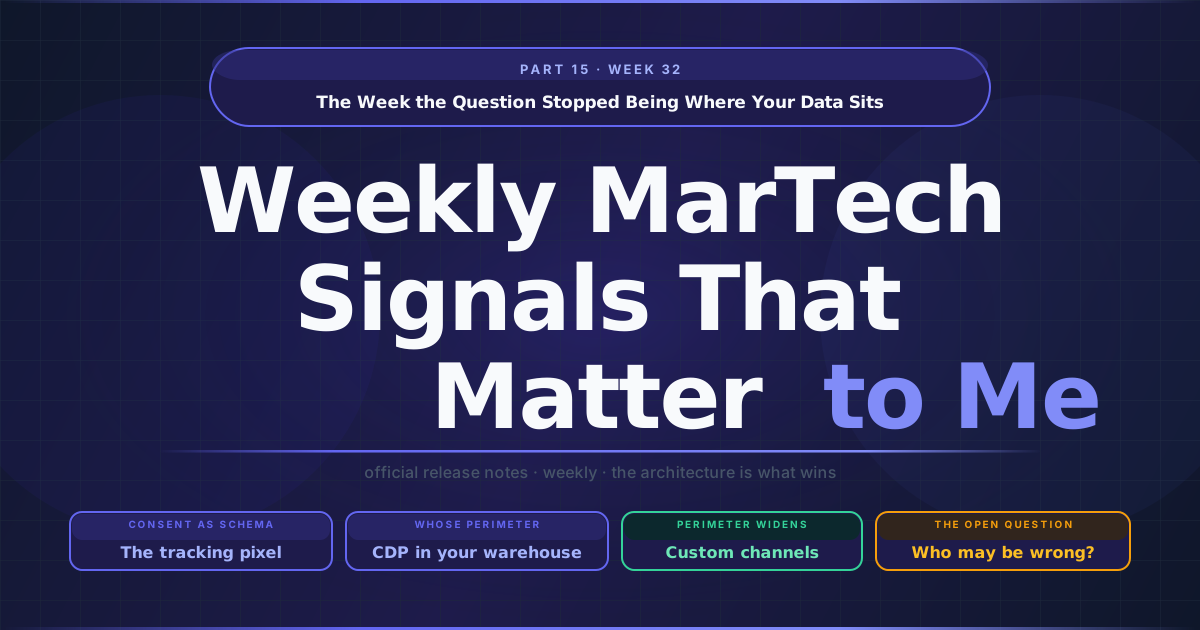
Weekly MarTech Signals That Matter to Me: Part 15, Week 32
The open-tracking pixel became a consent attribute, an entire CDP moved inside the customer's own Snowflake account, and any messaging channel became a no-code configuration. Three items, one week, and the same underlying move: the platform is where your logic runs, not where your state lives.
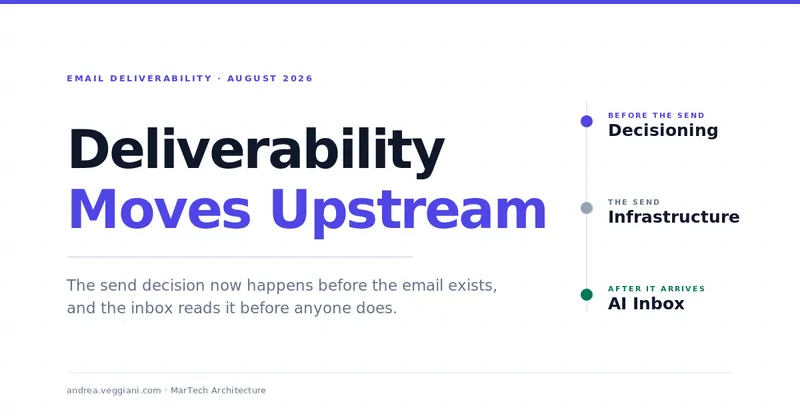
AI Email Deliverability Starts Before the Send
AI is moving email deliverability upstream into the decision of whether a message should exist, while AI inboxes make a second decision about whether it deserves attention.